List what you want to run
Write down every appliance or tool you will run at the same time and its power rating in watts. Add them up. This is your running load.
Allow for starting surge
Motors, pumps and compressors draw several times their running power for a moment when they start. Your generator must cope with the biggest surge on top of the other loads already running. As a rule of thumb, choose a generator with comfortable headroom above your total, and avoid running it at its limit all day.
Petrol or diesel
- Petrol generators are lighter and cheaper to buy, suited to backup and short running times.
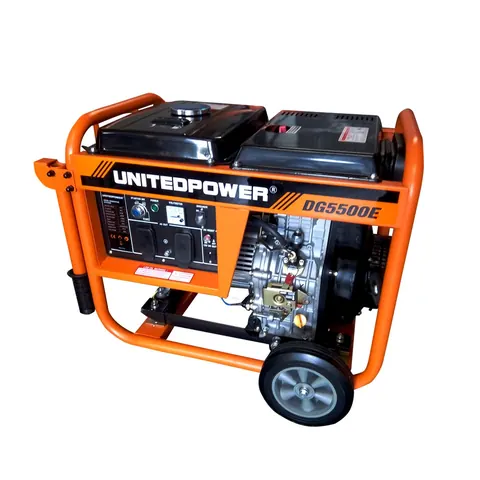
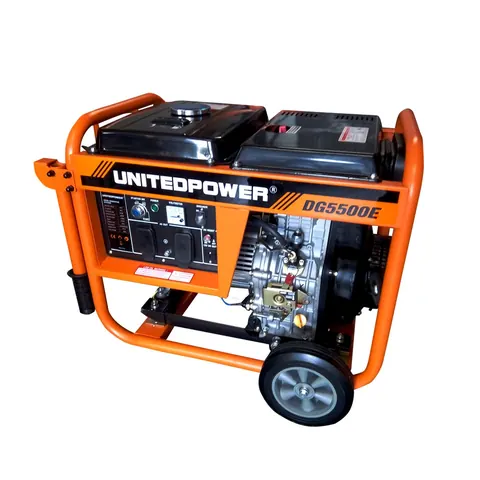
- Diesel generators are built for longer running hours and heavier loads.
- Open-frame units cost less. Enclosed (silent) units are quieter for homes and offices.
Single phase or three phase
Most homes and shops use single phase. Workshops with large motors may need three phase. Check the supply your equipment needs before you buy.
Install it safely
Run a generator outdoors or in a well-ventilated space, because exhaust gas is dangerous indoors. Use a properly rated changeover switch when connecting to building wiring, so power cannot feed back into the grid.